Client Requirement
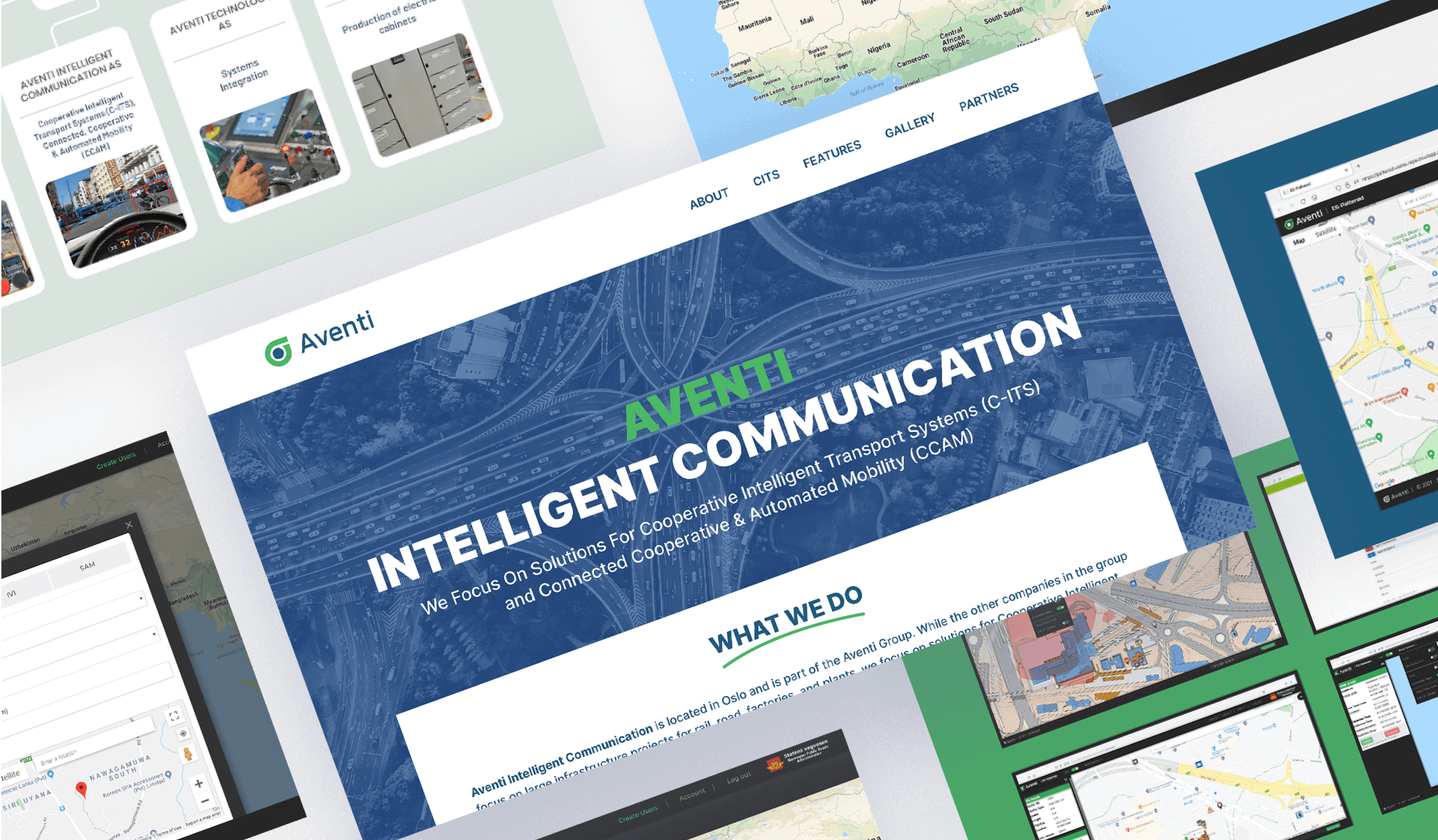
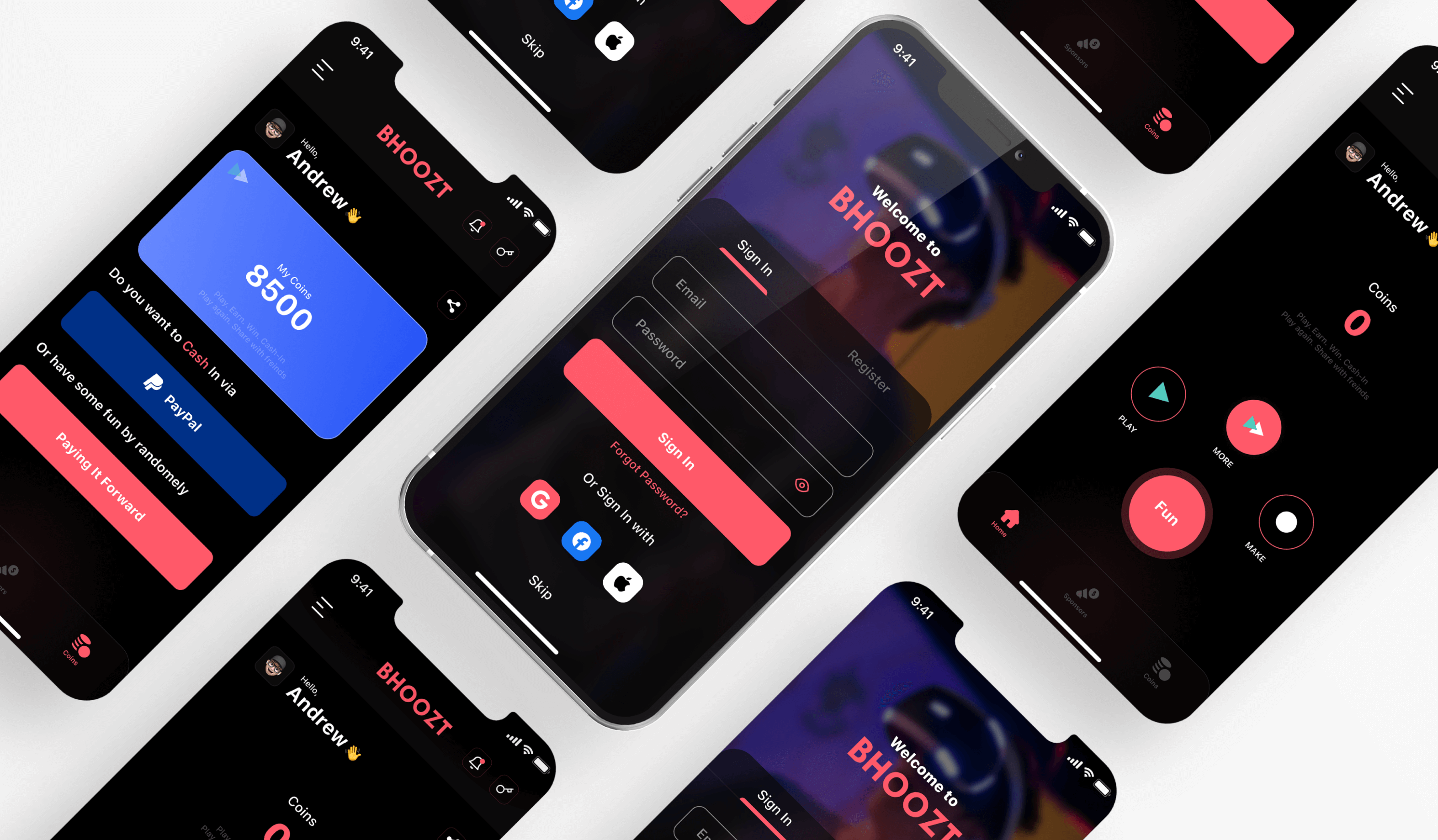
Our client's smart workplace platform is an integrated set of technologies, tools, and applications that enable organizations to manage their workplace assets, infrastructure, systems, and people. It further aligns them with core business processes in an efficient manner. The cloud-based web solution provides a sophisticated interface to conduct all related tasks. However, the widely available smartphones could further enrich the interactions between users and the system. Hence, Fidenz was hired to develop a suite of mobile applications to enhance the interactions between systems and different actors.
Challenges in Technology
The central cloud system had different master data sets with different Expected Time to Live (ETL). Synchronizing these data between mobile devices and the cloud could not handle traditional sequential methods of data synchronization. A special caching methodology was introduced to address the requirement more efficiently and effectively. Further, background and on-demand data synchronization capabilities were introduced to enhance the usability of the apps.
Apart from these, additional measures were taken to track application activities. Popular analytic frameworks were not an option as these applications should work on local area networks (LANs). Our expertise developers at Fidenz implemented activity tracking, logging, and transmitting modules to investigate user behavior within the application.
Challenges in Delivery
The platform usually gets deployed to multiple different private clouds. Each cloud could have its own version of the platform to handle site-specific solution requirements. These differences could be additional or fewer attributes for an entity or a feature being required or being optional based on the business case. Even with these variations, it was required to use a single mobile app to handle all different cloud apps versions. This introduced significant challenges in implementing the solution and further extended when it comes to quality assuring and commissioning apps for production use. Additional type checking, exception handling in the code, use of web service API tools to detect differences in data outputs from Web APIs helped the delivery team to establish the reliability of the applications.